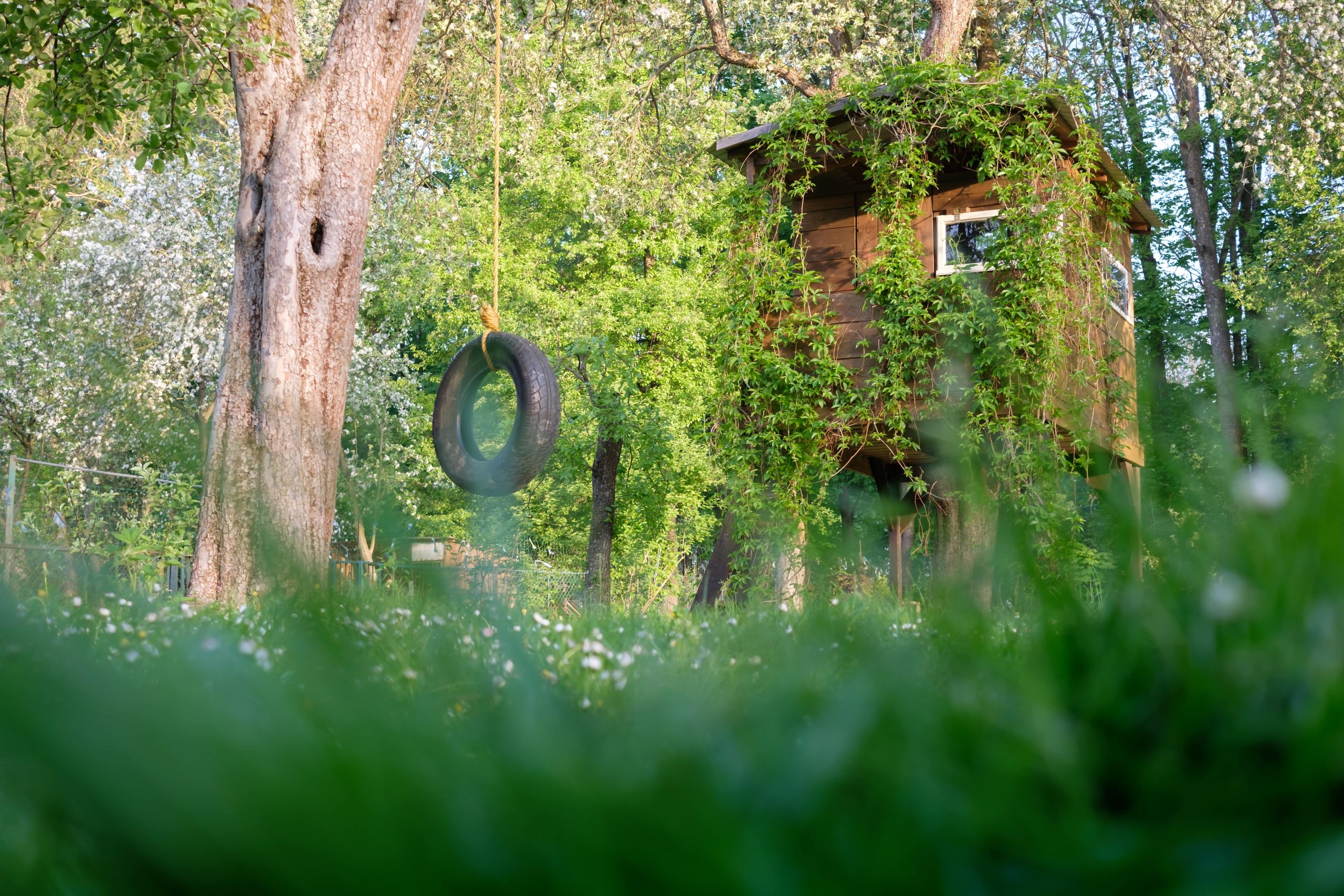
Tree houses have long been associated with childhood adventure, creativity, and outdoor fun. For many families, building a tree house in the backyard is not only a way to create a playful space for children but also an opportunity to design a unique structure that blends with nature. A well-designed tree house can become a peaceful retreat, a play area, or even a small outdoor reading nook.
While some tree houses can be complex and professionally constructed, simple tree house designs are often the most practical for homeowners. These designs focus on safety, durability, and ease of construction while still providing an enjoyable outdoor space. With the right materials and thoughtful planning, a basic tree house can be built without extensive carpentry experience.
Exploring different design approaches helps homeowners create structures that fit both their available space and their budget while providing a fun and memorable addition to their outdoor environment.
Choosing the Right Tree for a Tree House
One of the most important steps in building a tree house is selecting the right tree to support the structure. The strength, health, and stability of the tree determine whether it can safely hold the weight of the platform and the people who will use it.
Hardwood trees such as oak, maple, and beech are generally ideal choices because they are strong and durable. These trees often have thick trunks and sturdy branches that can support a well-constructed platform. The tree should also be mature and free from signs of disease, decay, or structural weakness.
The location of the tree also plays a significant role. Trees located in open areas of the yard provide better access and allow more sunlight around the structure. This makes it easier to maintain the tree house and ensures that the surrounding area remains safe and accessible.
Many homeowners researching DIY backyard treehouse building ideas begin by evaluating their available trees and selecting the one best suited to support the design they have in mind.
Building a Simple Platform Structure
The foundation of most tree houses begins with a strong and stable platform. A simple platform design provides a reliable base for the rest of the structure while keeping the construction process manageable for beginners.
The platform is typically built using pressure-treated lumber or durable hardwood beams. These beams are attached to the tree using heavy-duty brackets or support bolts that provide stability while allowing the tree to grow naturally over time.
It is important to ensure that the platform remains level and well-balanced. Builders often add diagonal braces or support beams beneath the platform to distribute weight evenly and improve structural strength.
Once the platform is complete, additional elements such as flooring boards, railings, and walls can be added gradually. This step-by-step approach makes it easier to construct the tree house while maintaining safety and durability throughout the process.
Designing a Safe and Functional Tree House
Safety should always be a priority when designing a tree house, especially if children will be using it regularly. Even simple designs should include protective features that reduce the risk of accidents.
Railings are one of the most essential components of a safe tree house. Installing sturdy railings around the edges of the platform helps prevent falls and provides additional support for users climbing into the structure.
Another important feature is a reliable access system. Many tree houses use wooden ladders, rope ladders, or small staircases to allow safe entry and exit. The chosen design should be secure and easy to use for the intended age group.
Adding a lightweight roof can also improve the functionality of the tree house. A small roof protects the structure from rain and sunlight while creating a cozy space that can be enjoyed throughout the year.
Thoughtful design choices ensure that the tree house remains both fun and safe for everyone who uses it.
Adding Creative Features to Enhance the Tree House
Although simple tree house designs focus on practicality, adding creative elements can make the structure more enjoyable and visually appealing. These features do not require complex construction but can greatly enhance the overall experience.
For example, installing small windows allows natural light to enter the tree house while giving children a place to look out and observe their surroundings. Some homeowners also add simple shutters or decorative trim to give the structure a charming appearance.
Another popular addition is a small deck or balcony area attached to the platform. This extra space provides room for sitting, relaxing, or enjoying outdoor views.
Inside the tree house, basic furnishings such as cushions, small benches, or storage boxes can create a comfortable environment for reading, playing, or spending quiet time outdoors.
These small creative touches help transform a basic structure into a memorable backyard retreat.
Maintaining and Caring for Your Tree House
Once the tree house is built, regular maintenance helps ensure that it remains safe and enjoyable for years to come. Because the structure is exposed to outdoor conditions, periodic inspections are necessary to identify any signs of wear or damage.
Wooden components should be checked for cracks, loose boards, or weakened supports. Replacing damaged parts promptly helps maintain the stability of the structure.
Weatherproofing treatments such as wood sealants or protective coatings can extend the lifespan of the materials. These treatments help protect the wood from moisture, sunlight, and insect damage.
It is also important to monitor the health of the tree itself. Trees naturally grow and change over time, so adjustments may occasionally be needed to accommodate this growth.
Maintaining a tree house not only preserves its appearance but also ensures that it remains a safe and enjoyable outdoor feature that continues to inspire creative outdoor living inspiration for the entire family.
Conclusion
A simple tree house can transform an ordinary backyard into a place of adventure, creativity, and relaxation. By focusing on practical design, strong structural foundations, and safe construction methods, homeowners can build tree houses that are both durable and enjoyable. Choosing the right tree, constructing a stable platform, and incorporating safety features such as railings and secure ladders are essential steps in creating a reliable structure.
Beyond functionality, tree houses offer opportunities for creativity and imagination. Adding decorative elements, small windows, or cozy seating areas can make the space feel inviting and unique. With thoughtful design and regular maintenance, a tree house can remain a cherished outdoor feature for many years. Whether used as a play area for children, a quiet reading spot, or simply a fun backyard project, simple tree house designs provide a meaningful way to connect with nature while enhancing the beauty and enjoyment of outdoor living spaces.